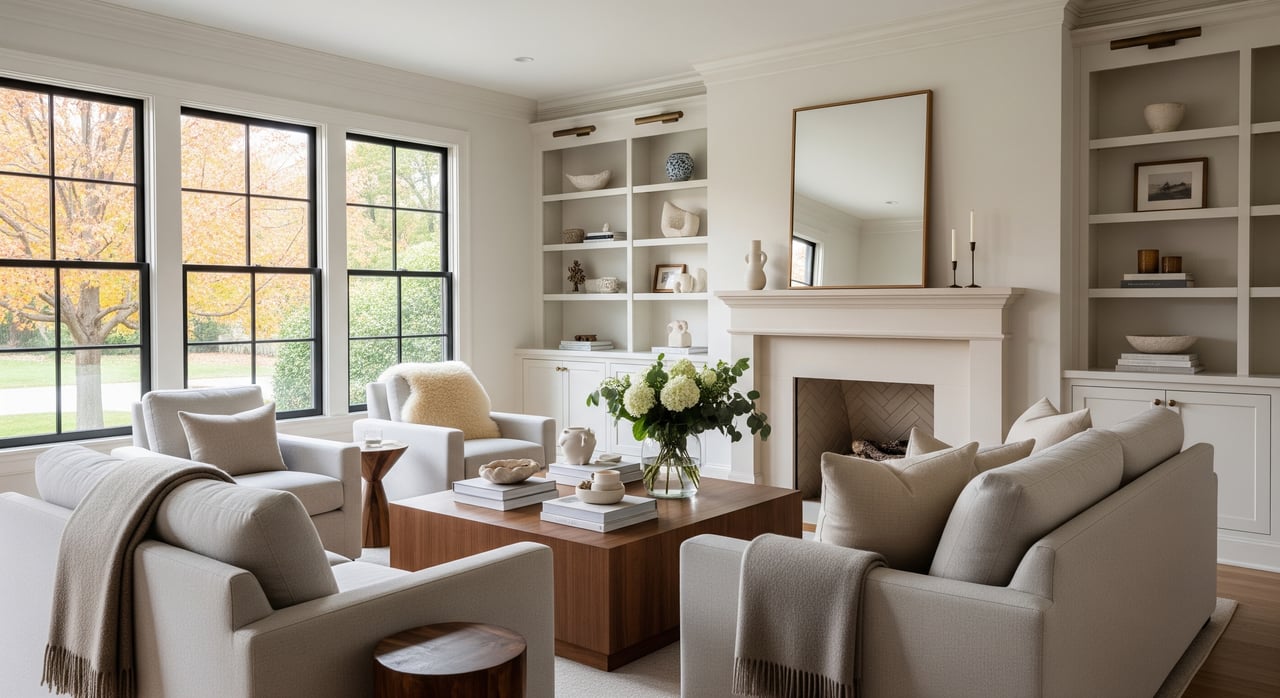
Are you planning to sell in Franklin and wondering why some homes fly off the market while others linger? You’re not alone. Today’s buyers start online and make snap decisions based on photos and first impressions. With the right staging, you can turn your everyday rooms into spaces that buyers connect with and remember. In this guide, you’ll learn what works in Franklin, how to prioritize rooms and budgets, and the simple steps that make a measurable difference. Let’s dive in.
Why staging matters in Franklin
Franklin attracts a wide range of buyers: families who value functional spaces, commuters who need easy access to the MBTA and I‑95/495, and local move‑up or downsizing buyers who want a smooth transition. These buyers focus on kitchens and baths, primary suites, usable living areas like finished basements, and curb appeal. When those areas feel fresh and intentional, your listing stands out.
Market conditions change, so your staging plan should match the moment. In a seller’s market, staging helps widen appeal and justify stronger offers. In a balanced or buyer’s market, it becomes essential to differentiate and reduce days on market. For up‑to‑date Franklin figures, review live data from the Massachusetts Association of Realtors market data, your local MLS (MLSPIN), and the Norfolk County Registry of Deeds. Your agent can translate these numbers into a clear strategy.
What staging actually does
Industry research shows staging helps buyers visualize a property as their home, improves photo performance, and can shorten time on market. The National Association of Realtors reports that staged homes often attract more buyer interest and may see a modest price premium compared with similar unstaged homes. Commonly cited outcomes fall in the low single‑digit percentage range for sale price uplift, with the most consistent benefit being faster sales.
To explore the broader findings, see the NAR Profile of Home Staging. Results vary by neighborhood, price point, and quality of execution, so focus on the rooms and updates that matter most to Franklin buyers.
Franklin room‑by‑room priorities
Kitchen: Clear, bright, and functional
- Clear countertops and remove small appliances to show workspace.
- Swap dated hardware or light fixtures for simple, modern options.
- Style with a bowl of fruit or a single vase, not clutter.
- In photos, highlight flow to the dining or family area and natural light.
Primary bedroom: Calm and spacious
- Use neutral, layered bedding and limited decor.
- Remove extra furniture to show scale and walking space.
- Tidy closets and keep them about half full to suggest generous storage.
Living and family rooms: Define zones
- Arrange seating to create a clear conversation area.
- Remove oversized pieces and add a rug to anchor the layout.
- Keep traffic lanes open to show circulation and function.
Bathrooms: Crisp and fresh
- Add clean white or neutral towels and clear the counters.
- Refresh grout and caulk; replace a worn toilet seat.
- Add a small plant or a simple tray to signal cleanliness.
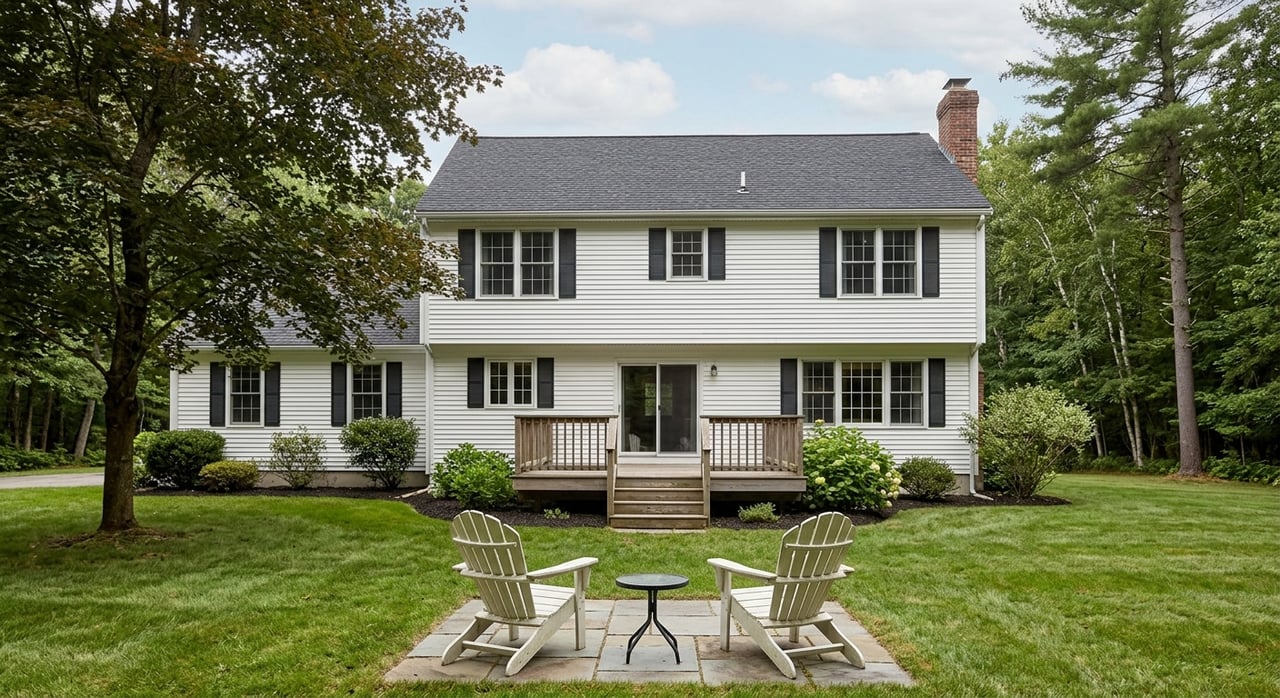
Curb appeal: First impressions start outside
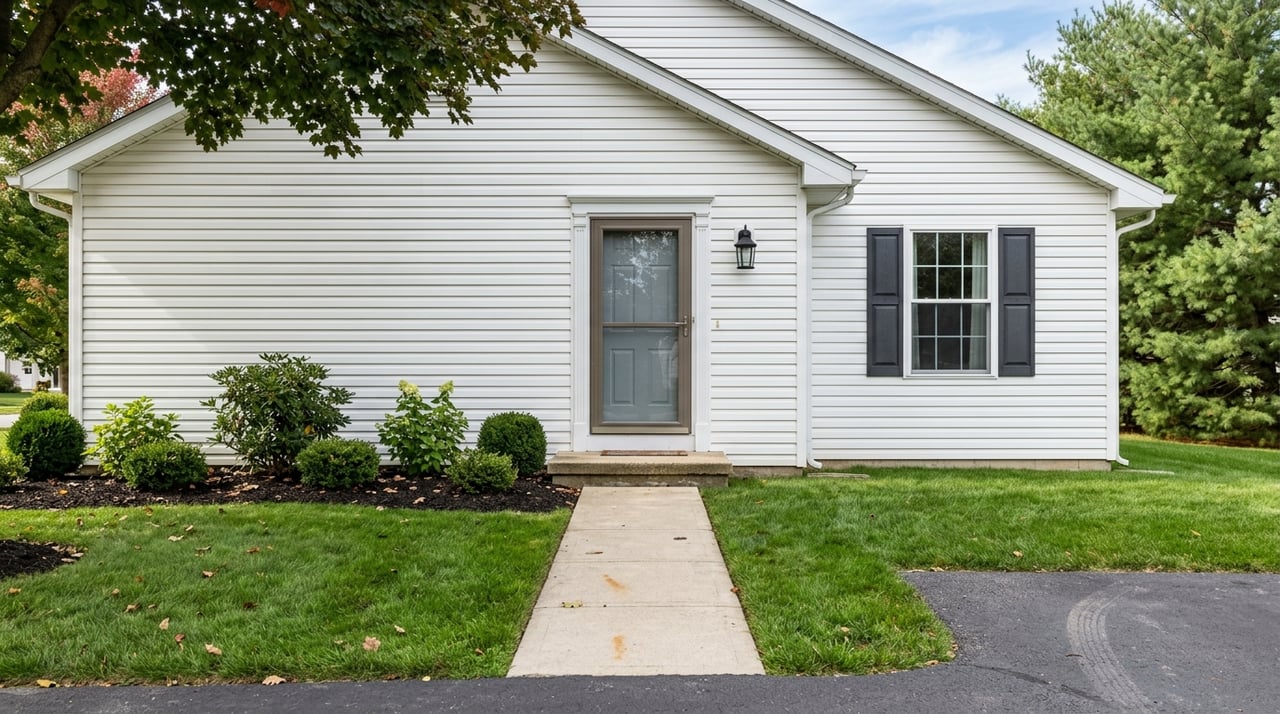
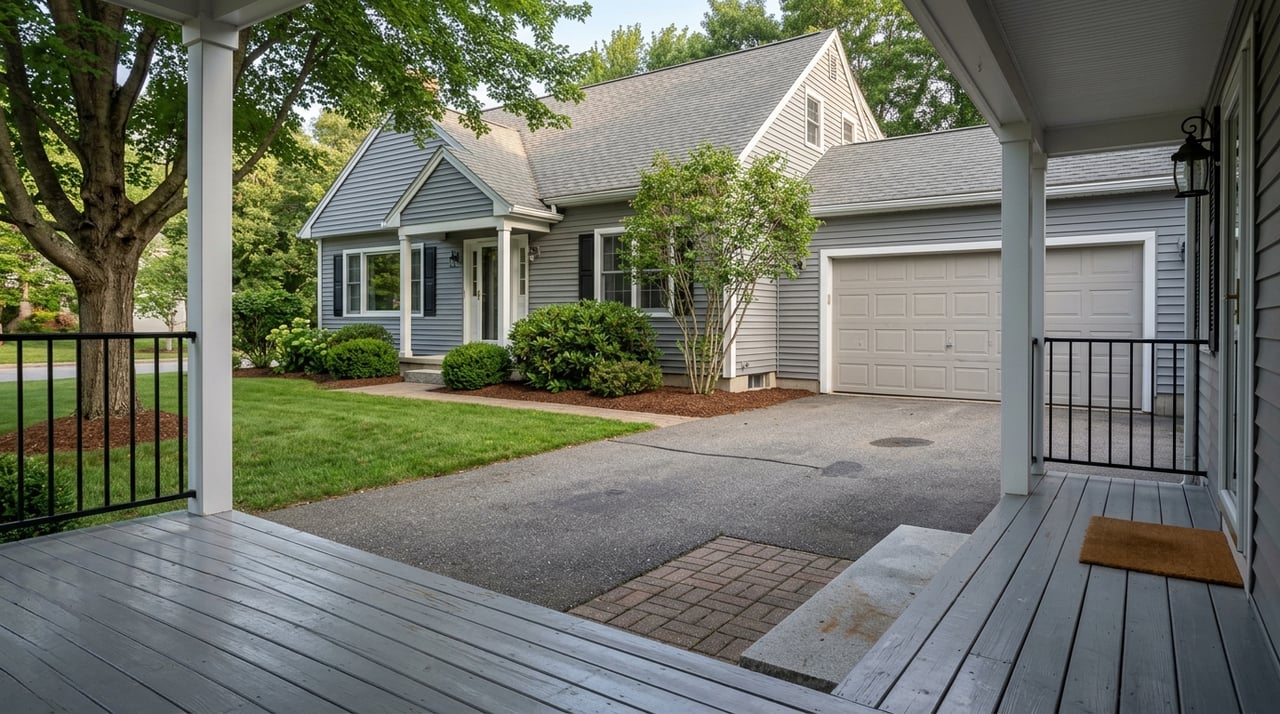
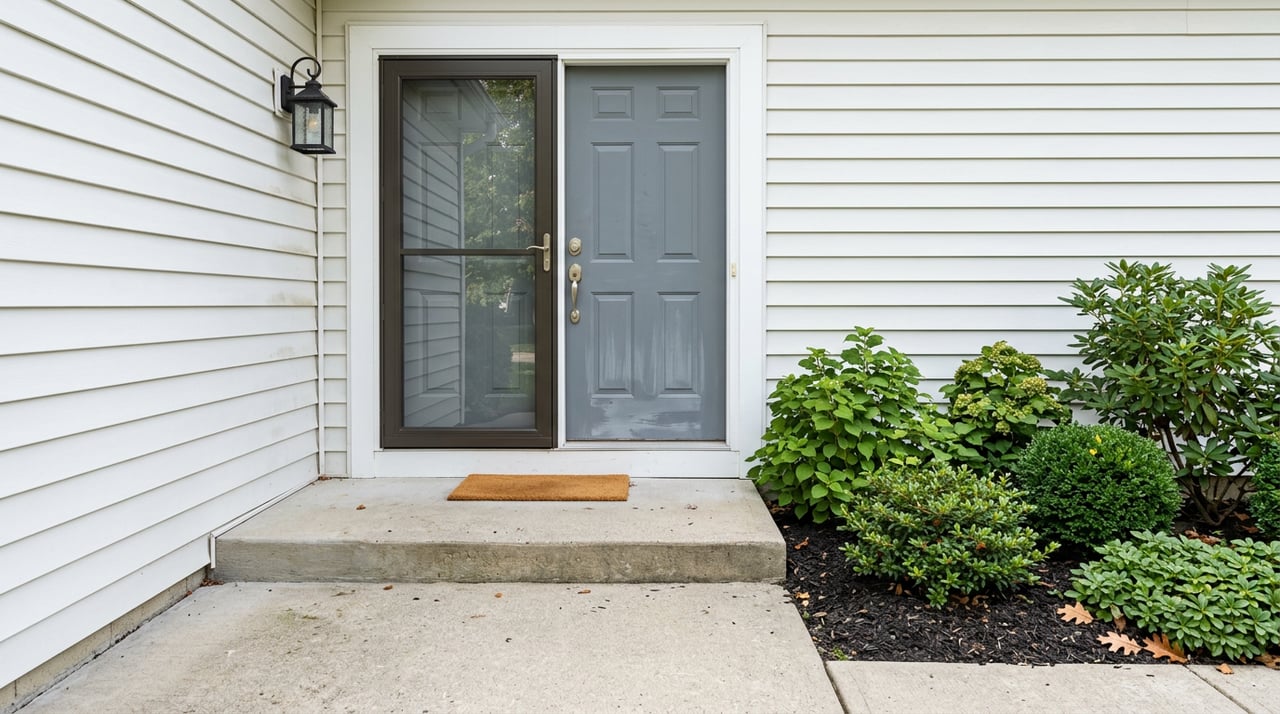
- Tidy the lawn and landscaping, add fresh mulch, and power wash the entry.
- Touch up front door paint and hardware; update the welcome mat.
- Make sure house numbers are clean and clearly visible.
Home office and flex spaces: Show versatility
- Stage a desk with good lighting and cable management.
- For smaller spaces, present a study nook or reading corner.
- Keep decor light so buyers can picture their own setup.
Basements and bonus rooms: Define the use
- Pick a single purpose: media room, rec room, home gym, or play space.
- Improve lighting and eliminate visual clutter.
- Store excess items offsite to maximize usable square footage.
Design cues that resonate locally
- Keep wall colors soft and neutral to photograph well and invite imagination.
- Maximize natural light, then add warm ambient and task lighting as needed.
- Right‑size furniture to the room; remove anything that crowds the space.
- Suggest, don’t shout, lifestyle: a simple kid‑friendly corner or neutral art is enough.
Cost, options, and smart ROI
Every home and budget is different. Choose the level of staging that aligns with your price point and goals:
- Full professional staging: Ideal for vacant or higher‑end listings. Strong impact, higher upfront cost. Setup and the first month often range from roughly $1,500 to $5,000 or more, depending on size and style.
- Partial staging: Focus on high‑impact areas like the living room, primary bedroom, and an entry or kitchen vignette. Typical initial costs often fall in the $750 to $2,000+ range.
- Occupied staging: Decluttering, neutralizing decor, and rearranging existing furniture. Lower cost and fast to implement.
- Virtual staging: A low‑cost boost for online photos of vacant rooms. Disclose clearly and align buyer expectations at showings.
- DIY refresh: Fresh paint, new bulbs and light fixtures, and curb appeal clean‑ups can punch above their weight.
Costs vary in Greater Boston, so get local quotes. The most reliable returns usually come from a smart mix of decluttering, paint, lighting, curb appeal, and targeted key‑room staging supported by professional photography.
A 4 to 6 week staging plan
4–6 weeks out: Strategy and prep
- Meet with your agent to define your likely buyer and review comps. Note whether comparable listings used staging.
- Decide your staging level: occupied styling, partial, or full.
- Book services: painter, electrician, landscaper, photographer, and stager.
- Start decluttering: store personal items and clear flat surfaces.
3–4 weeks out: Quick fixes and flow
- Touch up paint in neutral tones and repair easy‑to‑see defects.
- Deep clean or replace worn carpets and refresh lighting as needed.
- Improve curb appeal with pruning, mulch, and seasonal planters.
- Edit or rearrange furniture to open pathways and showcase features.
2 weeks out: Stage and shoot
- Install staging for key rooms if using partial or full staging.
- Schedule professional photos for a bright day; consider a twilight exterior.
- Add a 3D tour if budget allows to capture layout and flow.
- Finalize closets and linen refreshes for a crisp look.
1 week to launch: Shine and disclose
- Do a final deep clean and keep scents neutral.
- Confirm photo order will mirror buyer flow from entry to main living spaces.
- If using virtual staging, ensure disclosures meet MLS rules and set buyer expectations.
During the listing: Maintain and measure
- Keep staged rooms tidy and curb appeal fresh.
- Track online views, showings, days on market, and offer quality.
- If activity lags, consider staging an additional room or adjusting price and marketing.
Photos, tours, and disclosures
High‑quality photos are non‑negotiable. Staging works best when it pairs with professional photography, clear lighting, and a logical photo order that matches how buyers experience the home. If you use virtual staging, disclose it per MLS rules and ensure the in‑person condition compares fairly. This preserves trust and keeps momentum through showings.
What to measure so you know it worked
Track simple metrics and compare them with nearby comps:
- Online listing views and click‑through rate.
- Number of showings per week.
- Days on market and time to first offer.
- Sale‑to‑list price ratio and final sale price versus similar unstaged listings.
- Number and strength of offers, including contingencies and financing.
Local market check: Where to verify trends
Before you finalize your staging spend, look at current Franklin activity. Your agent can pull MLSPIN snapshots and interpret trends, while public sources like the Massachusetts Association of Realtors, Norfolk County Registry of Deeds, and the Town of Franklin Assessor offer helpful context over time. Seeing what’s happening now will stop you from overspending where it won’t pay off and help you invest where buyers care most.
Avoid these common mistakes
- Keeping oversized furniture that makes rooms feel tight.
- Strong fragrances or overly themed decor that distract buyers.
- Skipping curb appeal updates that ding first impressions.
- Relying on virtual staging without clear disclosure or in‑person alignment.
Ready to sell smart in Franklin
Thoughtful staging makes your home easier to love and faster to choose. With a targeted plan, focused updates, and strong photography, you give buyers the clarity they need to act quickly and confidently. If you want a design‑forward strategy tailored to your property and neighborhood, connect with Danielle McCarthy Real Estate & Co. to schedule a free consultation.
FAQs
How does staging help Franklin sellers specifically?
- Franklin buyers focus on kitchens, primary suites, usable living space, and curb appeal, so targeted staging in those areas increases appeal and can speed up offers.
Does staging increase sale price or just speed?
- Industry studies show the most consistent benefit is faster sales, with sale price improvements commonly reported in the low single‑digit percentage range.
What is the most cost‑effective staging approach?
- Start with decluttering, neutral paint, lighting, curb appeal, and partial staging of key rooms, then layer more only if the market feedback suggests you need it.
Should I stage if I’m living in the home?
- Yes; occupied staging that edits furniture, neutralizes decor, and clarifies room function is quick, budget‑friendly, and effective.
Is virtual staging enough for vacant rooms?
- Virtual staging can boost online interest at a low cost, but it must be disclosed and supported by an in‑person plan that aligns with buyer expectations.