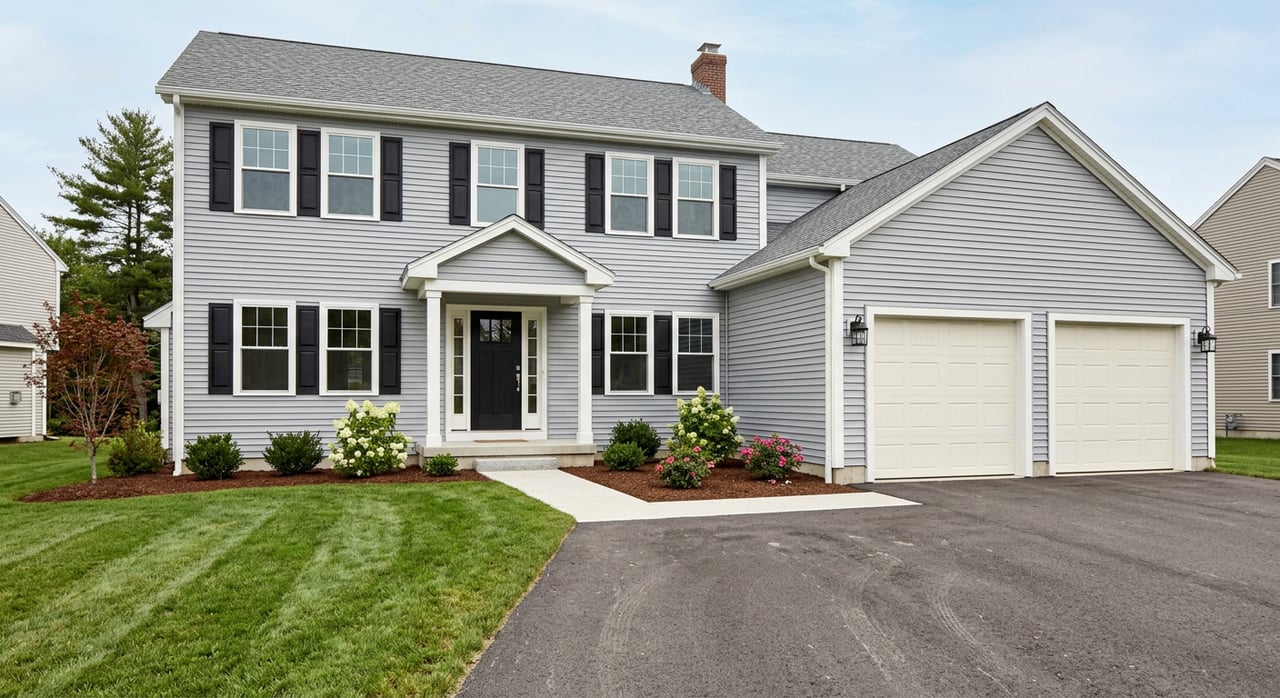
Thinking about a brand-new home in Norfolk but not sure where to start? You’re not alone. Norfolk blends a small-town feel with Boston access, and its new construction market has its own rules, timelines, and costs. In this guide, you’ll learn what’s being built, what to budget, how septic and permitting work here, and how to protect your interests from contract to closing. Let’s dive in.
Norfolk new construction basics
Norfolk is a small town of about 12,000 residents with a strong single-family focus and owner occupancy. It sits within Boston’s commuter belt with MBTA rail service nearby. Those fundamentals shape both demand and what builders create. You’ll see smaller subdivisions, infill lots, and cluster communities rather than large master-planned developments. Town planning emphasizes open space and highlights infrastructure limits that guide where growth can happen. You can review those local context notes in the town’s planning documents for a clear picture of why development looks the way it does here.
- Population and profile: See the latest snapshot for Norfolk on U.S. Census QuickFacts to understand the town’s size and demographics. Census QuickFacts: Norfolk, MA
- Development pattern: Town planning points to small-to-midsize subdivisions, infill, and cluster projects, with density shaped by wastewater constraints and open-space goals. Norfolk planning documents
Where new homes are built
Most new homes in Norfolk appear in small cul-de-sacs or extensions near the town center and along key corridors, plus cluster subdivisions on larger parcels outside the center. Larger multifamily developments are less common, although some have used state programs that allow added density with affordability set-asides.
A good example of what’s active today is Waite’s Crossing, where the builder offers single-family models and condominiums with modern finish packages. Browse model types and standard features to get a feel for floor plans and pricing tiers. Waite’s Crossing community page
Product types and common features
Here’s what you’ll typically find in Norfolk’s new-build mix:
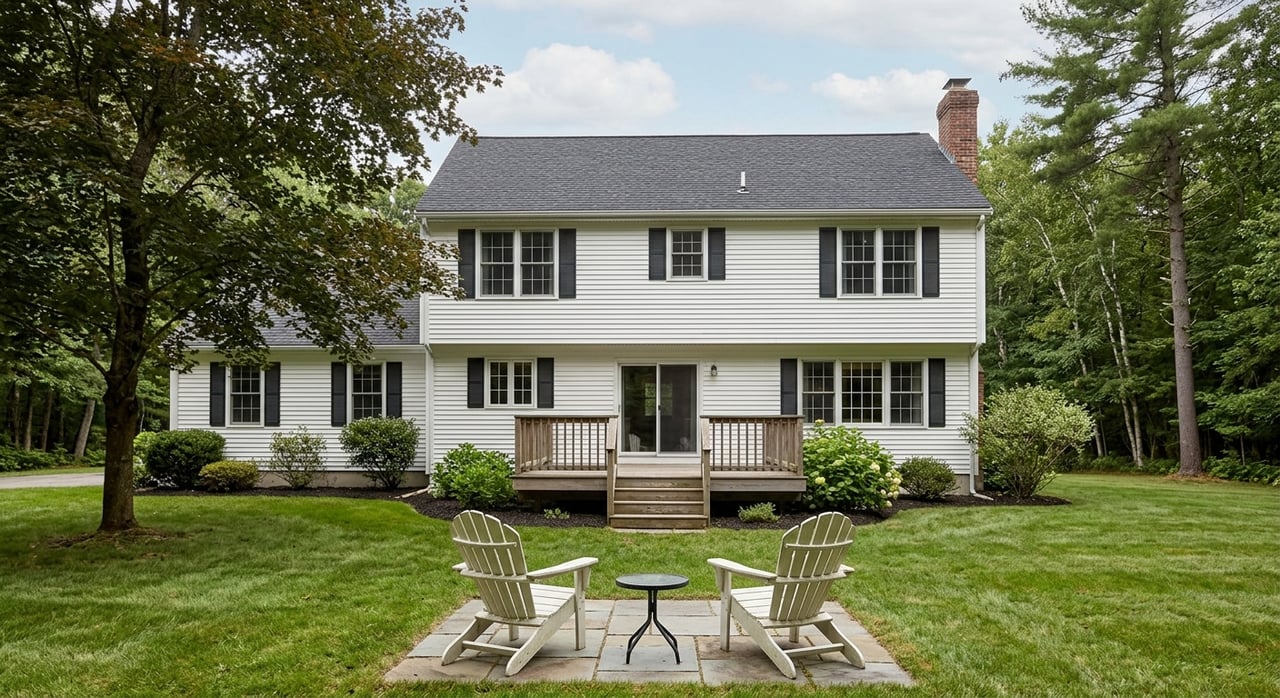
- Detached single-family colonials with 3 to 4 or more bedrooms and 2-car garages.
- Townhomes or condominiums, sometimes with active-adult orientation, that are priced below comparable detached models.
- Limited higher-density product, often tied to programs that include affordable units if permitted.
Expect modern layouts and finishes. Many builders offer open-plan living, quartz or granite kitchens, energy-efficient HVAC, smart-home wiring, EV-charger readiness, and options that are sometimes solar ready. Check each community’s specifications for exactly what is standard versus an upgrade. Explore representative features at Waite’s Crossing
Price context and value
New single-family models in recent Norfolk launches have often been listed from around the $1.0M range for fully upgraded 4-bedroom homes, while townhomes and condos have been introduced in the mid-$500K to $800K band. Listing medians and sold medians can diverge depending on source and timing, so it’s smart to confirm the current median sale price and active inventory through MLS data before you make decisions.
When comparing value:
- Separate base price from total build price. Upgrades, lot premiums, and change orders can add up quickly.
- Ask about HOA fees and exactly what they cover. Many small subdivisions and condo clusters include landscaping, private road maintenance, and common-area insurance in the dues.
- Compare lot orientation, site work, and any private wastewater or well systems, which can affect long-term costs.
Septic, sewer, and site details
One of the biggest local considerations is wastewater. Norfolk does not have a townwide sewer network. Most homes rely on Title V septic systems, and some denser developments operate private wastewater treatment systems. That reality influences where builders can add units and what you can do with a property later.
- Always confirm a lot’s septic status and design capacity with the Board of Health. Capacity may limit future bedroom counts or additions.
- Review Title V inspections and reserve area plans for any resale in a newer community.
- Norfolk has municipal water in many areas, but verify your connection and any hook-up fees.
Get the background straight from local planning documents so you know what to ask. Norfolk planning and wastewater notes
Energy code and electrification readiness
Massachusetts uses a Stretch Energy Code for most communities and offers an opt-in Specialized Stretch code that raises performance and electrification requirements for new homes. Adoption varies by town, so confirm which code applies to your specific building permit and how it affects insulation, HVAC choices, and EV wiring. If a home is advertised as energy efficient or solar ready, ask whether those features are code-required or true upgrades. MA Stretch and Specialized Energy Code overview
Timelines, warranties, and what to expect
Build timelines can vary, but a typical production or spec home often finishes about 6 to 12 months after start of on-site construction. Weather, permitting, selections, and supply chains can move that date. Ask for a written schedule with target milestones and clear rules for extensions or delays. Industry build-time overview
Most builders offer a multi-year warranty package, commonly called 1-2-10. That usually means one year on workmanship, two years on systems, and ten years on major structural elements. Confirm coverage details and the claims process, including any third-party warranty administrator. Typical new-home warranty structure
Financing, incentives, and budgeting
Builders frequently use incentives instead of price cuts. You might see closing-cost credits, interest-rate buydowns, appliance packages, or upgrade allowances. These can change quickly and often are negotiable. Make sure any incentive is in writing and cleared with your lender so it works with your loan program. Common builder incentive examples
Build a complete budget that includes:
- Deposit schedules and option payments.
- HOA dues and expected special assessments, if any.
- Carrying costs if completion slips, such as extended rent or bridge housing.
- The difference between base price and your fully selected home.
Permitting, 40B, and affordability set-asides
Some higher-density projects in Massachusetts are permitted under Chapter 40B, which can allow zoning relief when a share of units are set aside as affordable. If you are exploring affordability options or want to understand how a project achieved its approvals, check the state’s Subsidized Housing Inventory and local Zoning Board records. Learn about SHI and 40B
Representation: why bringing your own agent matters
The builder’s sales team represents the builder. If you want independent advocacy, bring your own buyer’s agent and have a signed agreement before touring models or signing paperwork. Your agent can help you review the contract, negotiate upgrade allowances and credits, coordinate third-party inspections, and protect your interests on change orders, timelines, and punchlists. Why independent representation matters in new builds
Practical ways your agent helps on new construction:
- Reviews builder contracts and addenda, clarifies deadlines and remedies, and suggests protective language.
- Benchmarks pricing to recent local sales to confirm value.
- Targets cost-effective upgrades that help resale without inflating your budget.
- Coordinates inspections, walkthroughs, warranty documentation, and post-close claims.
Commute, schools, and daily logistics
If you plan to commute to Boston, test the MBTA Franklin/Foxboro line from Norfolk. Typical rides to South Station are about 50 to 55 minutes depending on the train and stops. Weekday parking can fill early, so try your exact train window and parking routine before you buy. MBTA Norfolk Station information
School assignment for many Norfolk addresses is through the King Philip Regional School District. Confirm your specific school assignment directly with the district and town offices. Use neutral, factual criteria as you compare options and rely on official sources for boundaries and enrollment.
Local buyer checklist
Use this quick list as you evaluate any new-build option in Norfolk:
- Utilities and wastewater
- Confirm municipal water connection and any hook-up fees.
- Verify septic vs private wastewater system, Title V status, system design, and reserve area.
- Code and specifications
- Ask which energy code applies to the permit and whether the home is pre-wired for EV charging.
- Get a detailed spec sheet that shows standard features vs upgrades.
- Budget and HOA
- Request exact HOA dues, coverage, and a current budget. Ask about any known special assessments.
- Separate base price from options, selections, and site premiums.
- Timeline and protections
- Get a written schedule with a realistic move-in window and clear extension terms.
- Ask for the sample 1-2-10 warranty and how warranty claims are handled.
- Due diligence and advocacy
- Bring your own buyer’s agent with a signed agreement before touring.
- Schedule independent inspections and document punchlist items at each walkthrough.
Next steps
Tour a few model homes, compare base specs to upgrade menus, and pressure test the commute and parking routine you will use. If you want a clear plan for pricing, timelines, and negotiations, reach out for independent guidance. You will get a tailored shortlist of Norfolk communities, an apples-to-apples budget, and representation that puts your interests first. Connect with Danielle McCarthy Real Estate & Co. to schedule a free consultation.
FAQs
What types of new construction are common in Norfolk, MA?
- You’ll see detached single-family colonials and smaller clusters of townhomes or condos, often in small subdivisions or infill sites shaped by local planning and infrastructure.
How much do new homes in Norfolk typically cost?
- Recent builder-marketed 4-bedroom single-family models have often been listed from around $1.0M, with townhome and condo offerings introduced in the mid-$500K to $800K range; verify current numbers with MLS data.
Does Norfolk have town sewer for new builds?
- Norfolk does not have a townwide sewer system, so most homes use Title V septic or, in some denser projects, a private wastewater plant; confirm each lot’s setup and capacity with the Board of Health.
How long does it take to build a new home in Norfolk?
- A typical production or spec home may complete in about 6 to 12 months after on-site start, but weather, permitting, selections, and supply chains can affect timing.
What warranties come with a new home?
- Many builders offer a 1-2-10 style package, usually one year on workmanship, two years on systems, and ten on major structural components; ask for the written policy and claims process.
Should I bring my own agent when visiting a model home?
- Yes. The onsite sales team represents the builder, so bring a buyer’s agent and sign an agreement before touring to ensure independent advice and negotiation support.
Can I commute to Boston from Norfolk by train?
- Yes. The MBTA Franklin/Foxboro line serves Norfolk with rides to South Station in about 50 to 55 minutes depending on the train; parking can fill early on weekdays. Check MBTA station details